Sealants in Hot Weather
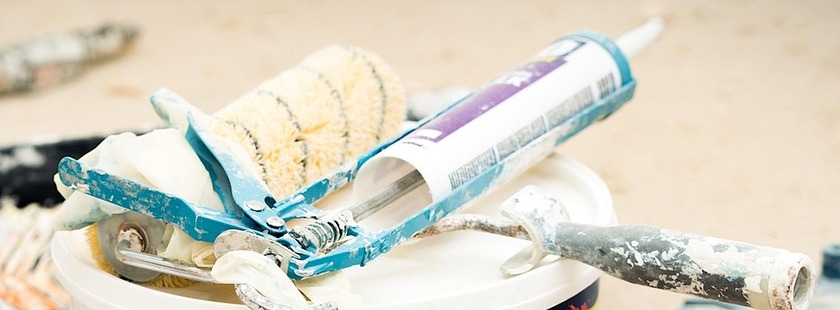
The sealant tube does one job: it fills a joint and then stays flexible, and the figures kept at san bernardino window installers ncw india show that heat changes both how it goes on and how long it takes to cure. A window installation in San Bernardino, CA in July means working with caulk on a frame that may be hot enough to burn a hand.
Heat and working time
Sealant on a hot frame skins over in minutes, which leaves little time to tool the bead. Tubes left in a truck bed can get soft and runny. Installers keep sealant in the shade, work one side of the house at a time, and move around the building to follow the shade.
Foam in the heat
Low expansion foam expands faster and farther in hot weather. A bead that looks right at eight in the morning may swell past the frame by noon. In the Inland Empire summer, installers apply thinner passes and check the frame for bowing, particularly on a vinyl window where heat softens the profile.
Cure time and surface temperature
Most sealants are rated for a surface temperature range, and metal frames in direct sun can climb above it. An aluminum window frame in the afternoon sun is too hot to seal properly. Work is shifted to shaded hours or the frame is cooled with a damp cloth before the bead goes in.
Dust and wind
Santa Ana winds blow dust onto a fresh bead, and the sealant traps it. A smooth, clean joint is hard to get when the air is full of grit. Installers may postpone exterior sealing, shielding the work with a temporary cover, or tool the bead and then shield it until it skins.
Joint movement through the day
Frames expand in the afternoon heat and shrink overnight. A joint sealed at the hottest moment is stretched when the frame cools, and one sealed at dawn is squeezed at midday. Sealing at a moderate temperature, with a properly sized backer rod, gives the joint room to move in both directions. A bead that has pulled away at one end after the first summer usually went in when the frame was at its largest. A casement or slider with a dark frame warms faster than a white one, so the sealing hour is chosen frame by frame rather than set once for the whole house. Tubes are opened only as needed, because a half used tube skins in its nozzle within an hour of afternoon heat and the next bead comes out lumpy.